Now that we had all our footage all that was left to do was edit it together. The following is a brief description of what we did in the lessons following the shoot.
Post Film Lesson One
We began by looking over our footage and importing it into Final Cut Pro. We started to roughly edit the clips in order to create a basic time line of what we wanted it to look like. There were a few gaps left where we wanted titles or sound effects to go but apart from that we got a good chunk done this lesson. We were surprised how quickly it all came together, although of course it needed finer editing.
Post Film Lesson Two
We finished the basic edit in this lesson and began looking for music to add. We spent a long time on royalty free websites picking some downbeat jazz and an accurate siren sound effect. However, we found when we imported these into Final Cut Pro it rejected them and would not play them on our time line. We found out that we had to convert them to an .aiff file type instead of an .mp3. We used Adobe Soundbooth to do this. Once our music and sound effect was in place we listened to the completed audio and realised at some points it was hard to hear what the characters were saying. We thought recording their parts and dubbing them over would be easier that re-shooting the entire opening so went and recorded that at the end of the lesson. We used Logic Pro to edit the sound and imported it into Final Cut Pro. We began placing the sound in the time line.
Post Film Lesson Three
We perfected the dubbing in this lesson and whilst listening to the audio we realised some of the voice over we had recorded was a little quiet. We re-recorded this in the same way as we recorded the other voice over/dubbing and imported it into the time line. We tweaked the audio and added cross fades in order to get a smoother sound from clip to clip. We began adding titles and came up with the idea of filming the diamond glittering in the light and the titles on their own looked a little boring. We based this idea on the opening of the children's tv show The Queen's Nose. This can be seen below:
Post Film Lesson Four
We edited the diamond in the light sequence at the start of this lesson and refined the titles to be sure they looked exactly as we wanted them too. After going over the edit a few times to be sure we hadn't missed anything we exported the final opening as a Quick Time movie. We then screened it to the rest of the class and received feed back.
Post Film Lesson Five
This was our last lesson where we just tweaked a few things people had brought up at the screening. We created our company logos using Motion and Photoshop and added them to the start of the opening and took a few more screen caps to put on our blogs. For the second half of the lesson we talked as a group about how we would go about creating our group evaluation. We split the seven evaluation questions into groups and decided how would be best to explain them. We decided on creating two Prezis, two Xtranormal pieces and a video/audio to go with our opening in the style of a DVD extra. We split these amongst us all so that each group member would take charge of writing up the groups' answer to a certain evaluation question or questions. We arranged a way of communicating in case any one ran into trouble. We decided to film the video piece next week and edit it in time for the coursework deadline.
Tuesday, 26 April 2011

PRODUCTION SCHEDULE
Although the pre-production work took a few lessons to sort, the actually production of our opening only took us one session to film. Below is a brief run through of what we did.
Filming Lesson
We began by checking over out pre-production work briefly to be sure everything we needed was there. Then we went to our first location, which was the college restaurant, in order to film one of our scenes. We had agreed to meet at a certain place and time with a teacher in order to get into the restaurant but when we arrived we couldn't find her. We spent a good twenty minutes talking to other teachers around the area before being able to get into the restaurant to set up our equipment. This was a bit annoying as we knew we had to go to another location and film there too so were a bit worried we'd run out of time. However, the shooting of the restaurant/bar scene went really well and we were allowed to use props from the bar which made the scene even more convincing. We had a few issues when we were packing up as it took us a while to dismantle the light, but apart from that everything went fine.
We returned the light and then moved on to our second location which was a grubby looking house by the docks. We had agreed to meet our other actress there so whilst we were waiting for her we planned what room we'd use. We decided the downstairs was too dark so went upstairs. Part of the house is facing a main road meaning that that end had a lot of background noise of traffic so we tried to get as far away from it as possible. Once our actress arrived we began to film, this was where I had to work quite hard as every one else in my group had to be in the scene acting. This meant I had to hold the microphone whilst also making sure the camera was in the right position and filming. The day we chose to film on was quite a cold one and the windows in the house were wide open or non-existant meaning the location itself was really cold. After an hour or so of filming both myself and the actors were finding it difficult to keep going as our hands were freezing up. We reviewed the footage we had and realised we'd made a continuity error so had to re-shoot a scene. Following this we packed up and headed back to the college to return the equipment confident that we had got everything we needed.
Filming Lesson
We began by checking over out pre-production work briefly to be sure everything we needed was there. Then we went to our first location, which was the college restaurant, in order to film one of our scenes. We had agreed to meet at a certain place and time with a teacher in order to get into the restaurant but when we arrived we couldn't find her. We spent a good twenty minutes talking to other teachers around the area before being able to get into the restaurant to set up our equipment. This was a bit annoying as we knew we had to go to another location and film there too so were a bit worried we'd run out of time. However, the shooting of the restaurant/bar scene went really well and we were allowed to use props from the bar which made the scene even more convincing. We had a few issues when we were packing up as it took us a while to dismantle the light, but apart from that everything went fine.
We returned the light and then moved on to our second location which was a grubby looking house by the docks. We had agreed to meet our other actress there so whilst we were waiting for her we planned what room we'd use. We decided the downstairs was too dark so went upstairs. Part of the house is facing a main road meaning that that end had a lot of background noise of traffic so we tried to get as far away from it as possible. Once our actress arrived we began to film, this was where I had to work quite hard as every one else in my group had to be in the scene acting. This meant I had to hold the microphone whilst also making sure the camera was in the right position and filming. The day we chose to film on was quite a cold one and the windows in the house were wide open or non-existant meaning the location itself was really cold. After an hour or so of filming both myself and the actors were finding it difficult to keep going as our hands were freezing up. We reviewed the footage we had and realised we'd made a continuity error so had to re-shoot a scene. Following this we packed up and headed back to the college to return the equipment confident that we had got everything we needed.
PRE PRODUCTION SCHEDULE
Below is a brief run through of the things we did in lessons before filming. In order to be sure we were ready to film and knew exactly what we were doing we had to produce some pre-production work. We had to of course come up with a story, write a group synopsis and treatment, draft a script and story board, and run through location checks in order to make sure we didn't run into any danger whilst out filming.
Lesson One
We began by talking through our individual ideas, and the fact that one of our team members had dropped Media. We had to find a way to work without her as we needed three actors in one scene as someone to film and hold the microphone. We figured we would manage to work it out and after hearing Di's idea we quite liked the sound of it. We decided to keep our notes together and talk more about it the next lesson.
Lesson Two
We refined our idea, which was a combination of Di's original idea and ideas we had come up with in the previous lesson. We began thinking about location and props, and created a small proposal for our opening which we then had to read out to the class. The idea was still quite rough so it took a while to really get it across to people what we wanted to do with it as we were still so unsure ourselves. The feedback we got was really helpful and we realised we were drifted out of the Noir genre and more into a psychological horror of some sort. We decided to reign it all in and it was only then that we came up with an idea we were really happy with.
Lesson Three
This lesson we really moved on to our pre-production work. We decided who would take up each role within the group and distributed duties to each person. We filled in location and health and safety sheets because we knew exactly where we wanted to film, but we realised we needed an extra location to film the restaurant scene. I decided to ask the college if we could use their restaurant and they agreed, giving us a set time to come and film and instructions on how to get in. We began making loose notes for our treatment and wrote a rough synopsis. We all had set pieces to finish at home in order to be ready to film in time.
Lesson Four
This was our final week of writing the post production. We put together everything we had done in class and at home and checked them over to be sure we were ready to go shoot. We made final adjustments to the treatment and brainstormed about who we could get to help us with the acting. In the end we managed to get out friend who had dropped out to come in and do a bit of acting for us. We began filming in the next lesson, and successfully got all our shots during the three hours allocated for that.
Lesson One
We began by talking through our individual ideas, and the fact that one of our team members had dropped Media. We had to find a way to work without her as we needed three actors in one scene as someone to film and hold the microphone. We figured we would manage to work it out and after hearing Di's idea we quite liked the sound of it. We decided to keep our notes together and talk more about it the next lesson.
Lesson Two
We refined our idea, which was a combination of Di's original idea and ideas we had come up with in the previous lesson. We began thinking about location and props, and created a small proposal for our opening which we then had to read out to the class. The idea was still quite rough so it took a while to really get it across to people what we wanted to do with it as we were still so unsure ourselves. The feedback we got was really helpful and we realised we were drifted out of the Noir genre and more into a psychological horror of some sort. We decided to reign it all in and it was only then that we came up with an idea we were really happy with.
Lesson Three
This lesson we really moved on to our pre-production work. We decided who would take up each role within the group and distributed duties to each person. We filled in location and health and safety sheets because we knew exactly where we wanted to film, but we realised we needed an extra location to film the restaurant scene. I decided to ask the college if we could use their restaurant and they agreed, giving us a set time to come and film and instructions on how to get in. We began making loose notes for our treatment and wrote a rough synopsis. We all had set pieces to finish at home in order to be ready to film in time.
Lesson Four
This was our final week of writing the post production. We put together everything we had done in class and at home and checked them over to be sure we were ready to go shoot. We made final adjustments to the treatment and brainstormed about who we could get to help us with the acting. In the end we managed to get out friend who had dropped out to come in and do a bit of acting for us. We began filming in the next lesson, and successfully got all our shots during the three hours allocated for that.
Tuesday, 29 March 2011
AUDIENCE THEORY
In order to find out more about our audience and what they wanted from a film we created a questionnaire and asked some fellow college students to fill them out. We got a very good response and received some useful information.
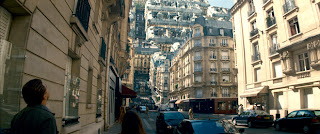
 We began by asking what genre of film each person had most recently watched and bar far this was Comedy. Only two people had most recently watched a Crime Thriller or Noir. We asked how many people actually knew of the genre Film Noir/Neo-Noir and everyone answered yes. However, there was a slight bias because we asked students that were studying in the area we were so they would have most likely all been Media students. Looking back we should have gone for a wider choice of people in order to get a real idea of how many people know about Noir. We also asked people for the most memorable scene they remember from a film. This was quite an important question as it gave us insight into the sort of things that impact on people and they remember for being well done. The answers ranged from films watched during child hood, such as the start of The Lion King, to recent films with impressive special effects, such as in the film Inception when the dimensions collapse into themselves. We learnt from this that there is no simple recipe for what people enjoy seeing, and what they take from a film. Not every film fits every person, which is why we have to decide who our ideal audience is.
 Our ideal viewer would be someone into thriller/noir films who would actively decide to go see the film at the cinema. Alternatively, there would be regular cinema-goers who would watch the film if they had to pick one once arriving at the cinema. Our ideal viewer would be either gender, although a male may be more interested in the action side of the film and be less squeamish towards the violence included in the story. Our film would be rated a 15 and our ideal age range would be around 15-25, although this does not exclude other ages from seeing it as they too might enjoy it.
After researching into our audience and reading the answers from our questionnaires we feel we know a lot more about our target audience and how to approach them. Knowing this means we can shape our film opening to their needs and desires in order to make it a success.
 Our ideal viewer would be someone into thriller/noir films who would actively decide to go see the film at the cinema. Alternatively, there would be regular cinema-goers who would watch the film if they had to pick one once arriving at the cinema. Our ideal viewer would be either gender, although a male may be more interested in the action side of the film and be less squeamish towards the violence included in the story. Our film would be rated a 15 and our ideal age range would be around 15-25, although this does not exclude other ages from seeing it as they too might enjoy it.
 After researching into our audience and reading the answers from our questionnaires we feel we know a lot more about our target audience and how to approach them. Knowing this means we can shape our film opening to their needs and desires in order to make it a success.
Friday, 18 March 2011
PRE PRODUCTION ROLES
In order to successfully create our group opening we had to work together. There was lot of pre-production work that had to be done and the best way of doing this in a productive amount of time would be for each of us to take on a specific role and do the paperwork related to that role. The four roles were:
We had thirteen pre-production tasks to complete including allocating roles. This meant we each had three or four tasks to do on our own, as some tasks needed to be done as a group. These included the group target audience report and the treatment. For the treatment each of us wrote detailed notes on the section that related to our role and then we put them all together. As the Producer, I had to write the synopsis, script, decide on the production schedule and keep hold of all the pre-production work we had completed so that we knew it was safe. Courtney did the target audience questionnaire, the call sheets and along with myself and Di picked the music. We spent a long time on this as a group, although originally it was going to be just one persons job. This is because we found it very hard to find the sound we wanted that was both free and without copyright. Di drew the storyboard and filled in all the information on locations, props and costumes. I feel we all completed our tasks very well and this helped us as we had more time to think about filming instead of worrying that someone hadn't done their bit.
- Director
- Producer
- Editor
- Art Director
We had thirteen pre-production tasks to complete including allocating roles. This meant we each had three or four tasks to do on our own, as some tasks needed to be done as a group. These included the group target audience report and the treatment. For the treatment each of us wrote detailed notes on the section that related to our role and then we put them all together. As the Producer, I had to write the synopsis, script, decide on the production schedule and keep hold of all the pre-production work we had completed so that we knew it was safe. Courtney did the target audience questionnaire, the call sheets and along with myself and Di picked the music. We spent a long time on this as a group, although originally it was going to be just one persons job. This is because we found it very hard to find the sound we wanted that was both free and without copyright. Di drew the storyboard and filled in all the information on locations, props and costumes. I feel we all completed our tasks very well and this helped us as we had more time to think about filming instead of worrying that someone hadn't done their bit.
STORYBOARD
This is the basic storyboard for our production. It was more of a rough guide in the end and we took some more, or some different shots than we'd scripted. It was really helpful to have it there though because we knew what we were aiming for in the long run meaning we stayed right on track whilst shooting. The storyboard was drawn by Dianne as she is the Art Director.


Monday, 7 March 2011
SCRIPT FOR OUR FILM NOIR
Below are screen caps of our script for the opening scene. It was created by me using a program called Celtx, as this provides a handy and easy to use template for script writers. This was just a rough guide for our actors and on the day we found it worked better if Eve said less during the final scene. However, the rest of the scenes remained pretty much the same.


Subscribe to:
Posts (Atom)